

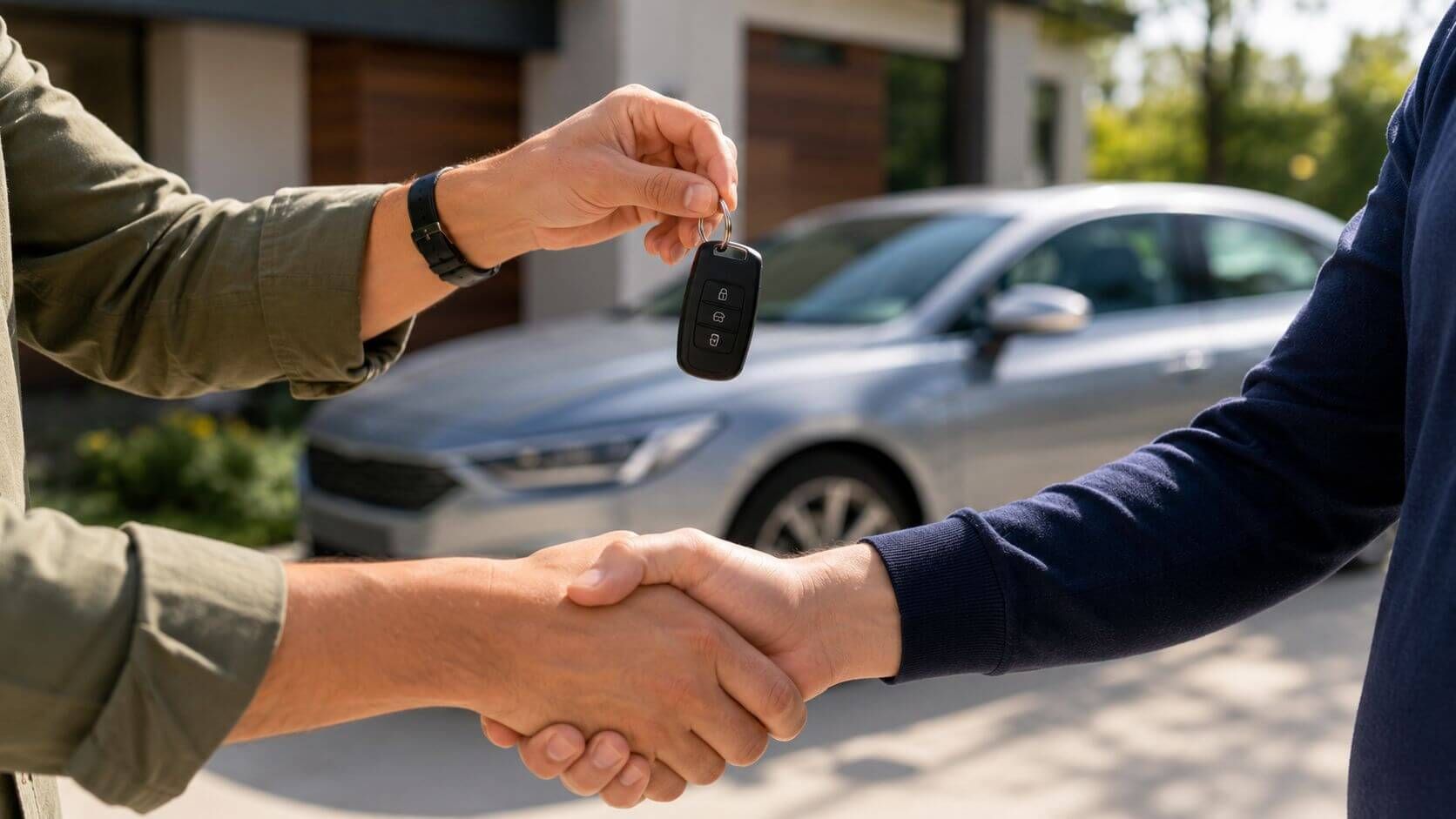
When it is time to move on from your current vehicle, you usually have two main options: trade it in at a dealership or sell it privately to another buyer.
At first, the choice seems simple. A private sale often brings a higher selling price, while a trade-in is faster and easier. But the best option is not always the one with the bigger number on paper.
What really matters is net value: how much money you keep after time, repairs, advertising, paperwork, loan payoff, taxes, safety concerns, and negotiation are considered.
This guide breaks down how trade-ins and private sales work, what each option costs you, and how to decide which one leaves more money in your pocket.
Start With the Vehicle’s Market Value
Before choosing trade-in or private sale, get a realistic value for your vehicle. Do not rely only on what you still owe, what you paid, or what similar cars appear to list for online.
Start by using a tool to check market value by VIN. A VIN-based estimate can help you understand where your vehicle stands based on its year, make, model, trim, mileage, and comparable listings.
This gives you a baseline before you speak with a dealer or private buyer.
Once you have a market value range, separate it into three numbers:
- Trade-in expectation: what a dealer may offer, knowing they need room for reconditioning, risk, and resale margin.
- Private sale expectation: what an individual buyer may pay if the vehicle is well-presented and fairly priced.
- Walkaway number: the lowest amount you are comfortable accepting after costs and effort.
Without this baseline, it is easy to accept a weak offer or overprice the vehicle and wait too long.
What Happens When You Trade In a Car?
A trade-in is when you sell your current vehicle to a dealership, usually while buying another vehicle from the same dealer.
The dealer inspects your car, reviews the vehicle history, considers reconditioning needs, checks market demand, and makes an offer. If you accept, the trade-in value is applied toward your next purchase or lease.
For many sellers, this is the easiest path. You do not need to create listings, answer messages, meet strangers, arrange test drives, or handle the full buyer-payment process yourself.
The trade-off is that the offer is usually lower than what you might get in a private sale. The dealer needs to account for inspection, repairs, detailing, advertising, market risk, negotiation room, and profit.
Pros of Trading In
Trading in may be the better option if you value speed, convenience, and lower hassle.
Common advantages include:
- Faster transaction
- Less paperwork
- No need to meet private buyers
- Easier loan payoff handling
- Immediate credit toward your next vehicle
- Less risk of payment scams
- Dealer manages resale preparation
- Possible tax advantage in some states
If your schedule is busy or you want to avoid the stress of selling, a trade-in can be worth the lower offer.
This is especially true if the vehicle has mechanical problems, cosmetic issues, high mileage, or a limited buyer pool. A dealer may still take the vehicle even when private buyers would be harder to convince.
Cons of Trading In
The biggest downside is usually the lower amount.
A dealership is not buying your car for personal use. It is buying inventory. That means the offer needs to leave enough room for reconditioning, overhead, market changes, and profit.
Trade-in offers may also be affected by:
- Vehicle condition
- Accident or title history
- Open recalls
- Market demand
- Mileage
- Trim and equipment
- Reconditioning cost
- Dealer inventory needs
- Local resale potential
If your vehicle is clean, desirable, and easy to sell, a private buyer may pay more than the dealer is willing to offer.
What Happens in a Private Sale?
A private sale means you sell the vehicle directly to another person. You set the price, create the listing, communicate with buyers, arrange showings, negotiate, and complete the paperwork.
This option usually takes more effort, but it can bring more money.
Private buyers may be willing to pay closer to retail value because they are buying the car for personal use, not for resale. If your vehicle is clean, has good records, and is priced fairly, you may keep more of the vehicle’s market value.
Private sale works best when you are patient, organized, and comfortable handling the process.
Pros of Selling Privately
The biggest advantage of a private sale is the potential for a higher final price.
Private sale may work well if:
- Your vehicle is in good condition
- The title is clean
- The mileage is reasonable
- You have service records
- The car is easy to photograph and describe
- The model is popular in your local market
- You are comfortable negotiating
- You have time to wait for the right buyer
A private sale also gives you more control. You decide how to price the car, how to present it, and which offer to accept.
Cons of Selling Privately
The higher price is not free. A private sale can take time and energy.
You may need to:
- Clean and detail the vehicle
- Take quality photos
- Write a clear listing
- Pay for listing or advertising fees
- Respond to messages
- Screen buyers
- Schedule test drives
- Handle lowball offers
- Verify payment
- Complete title and bill-of-sale paperwork
- Deal with buyer concerns after inspection
There are also safety and fraud concerns. You may need to meet strangers, verify payment carefully, and avoid scams involving fake checks, overpayment, or unusual payment requests.
For some sellers, the extra money is worth it. For others, the time and risk reduce the true benefit.
The Real Question: Gross Price vs Net Value
A private sale may bring a higher selling price, but that does not automatically mean it leaves more money in your pocket.
You need to compare net value.
Use this simple formula:
Net value = Sale price minus costs, time, risk, and effort
For example, a dealer may offer $14,000 as a trade-in. A private buyer may offer $15,500. At first, private sale looks $1,500 better.
But what if you spend $400 on detailing, $300 on minor repairs, $75 on listing costs, and several weeks handling messages and test drives? What if your state gives a trade-in tax benefit when you buy another vehicle? What if the private buyer backs out after inspection?
The private sale may still win, but the gap may be smaller than it looks.
Consider Ownership Costs While You Wait
Time matters when selling a vehicle. If you delay the sale for weeks or months trying to get a higher private-party price, you may continue paying insurance, registration, loan interest, parking, maintenance, or repair costs.
You may also face depreciation. Some vehicles lose value faster than others, especially when mileage increases, newer model years arrive, or market demand shifts.
An ownership cost estimate can help you think beyond the immediate sale price. If keeping the vehicle longer adds meaningful cost, a quicker trade-in may make more financial sense than waiting too long for a slightly higher offer.
This is especially important if the car needs new tires, upcoming maintenance, or repairs that will become the next owner’s negotiation point.
Use Vehicle History to Build Buyer Trust
Whether you trade in or sell privately, vehicle history affects value.
A buyer will want to know whether the car has title brands, accident indicators, theft records, salvage history, odometer issues, open liens, or past sale records. A dealer will check these details before making a trade-in offer. A private buyer may ask for the same information before committing.
Running a VIN check before listing the vehicle can help you prepare for those questions.
If the report is clean, you can use it to build confidence. If there are issues, you can disclose them honestly and price the vehicle accordingly. Hiding known problems can create disputes later and damage trust during negotiation.
For private sales, transparency often helps. A buyer who feels informed is more likely to take your listing seriously.
Confirm Original Features and Options
Trim and equipment can affect value. Two vehicles with the same year, make, and model may be worth different amounts because of options, packages, drivetrain, technology, interior materials, or safety features.
A window sticker lookup can help confirm the vehicle’s original equipment, MSRP, factory options, and specifications. This is useful when writing a private-sale listing or responding to a dealer offer.
For example, if your vehicle has a desirable package, upgraded wheels, premium audio, advanced safety features, or a higher trim, you want that reflected accurately in the listing.
The more clearly you document the vehicle, the easier it is to defend your price.
When a Trade-In Makes More Sense
A trade-in may be better if:
- You want the fastest and simplest transaction
- You are buying another vehicle right away
- Your current car has mechanical or cosmetic issues
- You do not want to meet private buyers
- You still have a loan and want easier payoff handling
- Your schedule is too busy for private sale
- The private-sale price difference is small
- You value convenience over maximum price
Trading in can also make sense when the market for your vehicle is weak. If similar vehicles are sitting unsold, waiting for a private buyer may take longer than expected.
When a Private Sale Makes More Sense
A private sale may be better if:
- Your vehicle is clean and desirable
- You have service records
- The title is clear
- You are not in a rush
- You are comfortable negotiating
- You can handle payment and paperwork safely
- The private-sale value is much higher than the trade-in offer
- You want maximum cash return
Private sale is often strongest when the vehicle is easy to explain, easy to finance, and attractive to everyday buyers. Clean commuter cars, well-maintained SUVs, popular trucks, and low-mileage vehicles often do well when priced realistically.
How to Compare Both Offers
Before deciding, try this process:
- Check the market value by VIN.
- Get at least one trade-in offer.
- Estimate a realistic private-sale price.
- Subtract expected selling costs.
- Consider any remaining loan payoff.
- Account for time, insurance, maintenance, and depreciation while waiting.
- Review possible tax effects based on your state and purchase situation.
- Compare the true net value of each option.
Do not compare the dealer’s first offer against the highest private listing you can find online. Compare realistic numbers.
Final Takeaway
A private sale usually gives you the best chance of getting a higher selling price. A trade-in usually gives you the fastest, easiest, and least stressful path.
The better choice depends on your vehicle, market value, timeline, paperwork comfort, safety concerns, and how much extra money a private buyer is realistically likely to pay.
Start with a VIN-based market value estimate. Then compare a real trade-in offer against a realistic private-sale price after costs and effort. If the private-sale gap is large, it may be worth the work. If the gap is small, the convenience of trading in may be the smarter move.
The goal is not just to get the biggest number. It is to keep the most value with the least unnecessary risk.
FAQs
Do you get more money from a private sale or trade-in?
A private sale often brings a higher selling price, but it also takes more time and effort. A trade-in is usually faster and easier, but the offer may be lower because the dealer needs room for reconditioning and resale profit.
Should I check my car’s value before trading it in?
Yes. Checking market value before visiting a dealer helps you understand whether the trade-in offer is reasonable and gives you a stronger position during negotiation.
Is it worth selling privately if I still have a loan?
It can be, but it requires careful payoff handling. Contact your lender first to understand the payoff amount, title release process, and acceptable payment method before listing the car.
What documents help when selling a car privately?
Useful documents include the title, registration, service records, loan payoff information if applicable, vehicle history report, bill of sale, and any warranty or recall repair records.
How do I make my private-sale listing more trustworthy?
Use clear photos, accurate mileage, honest condition notes, service records, a VIN-based history report, and correct trim and equipment details. Transparency helps serious buyers feel more confident.